

Living, Loving, Disappearing: Goldin, Morrisroe, and Photography as Survival
- Youth Magazine

- May 26
- 3 min read
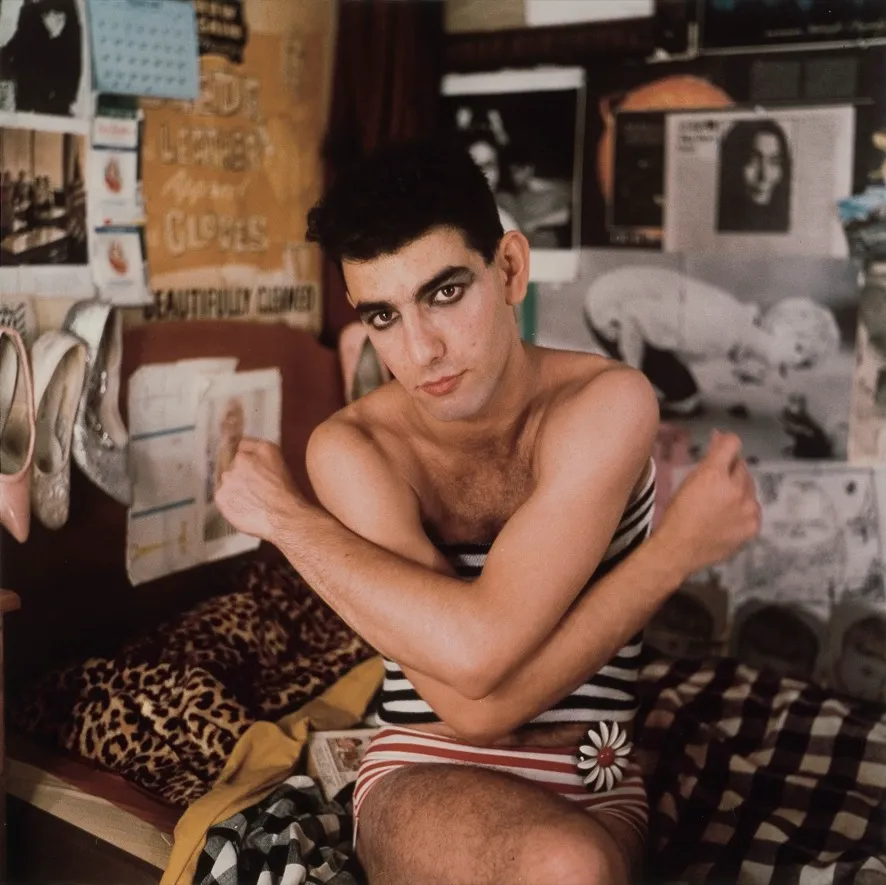
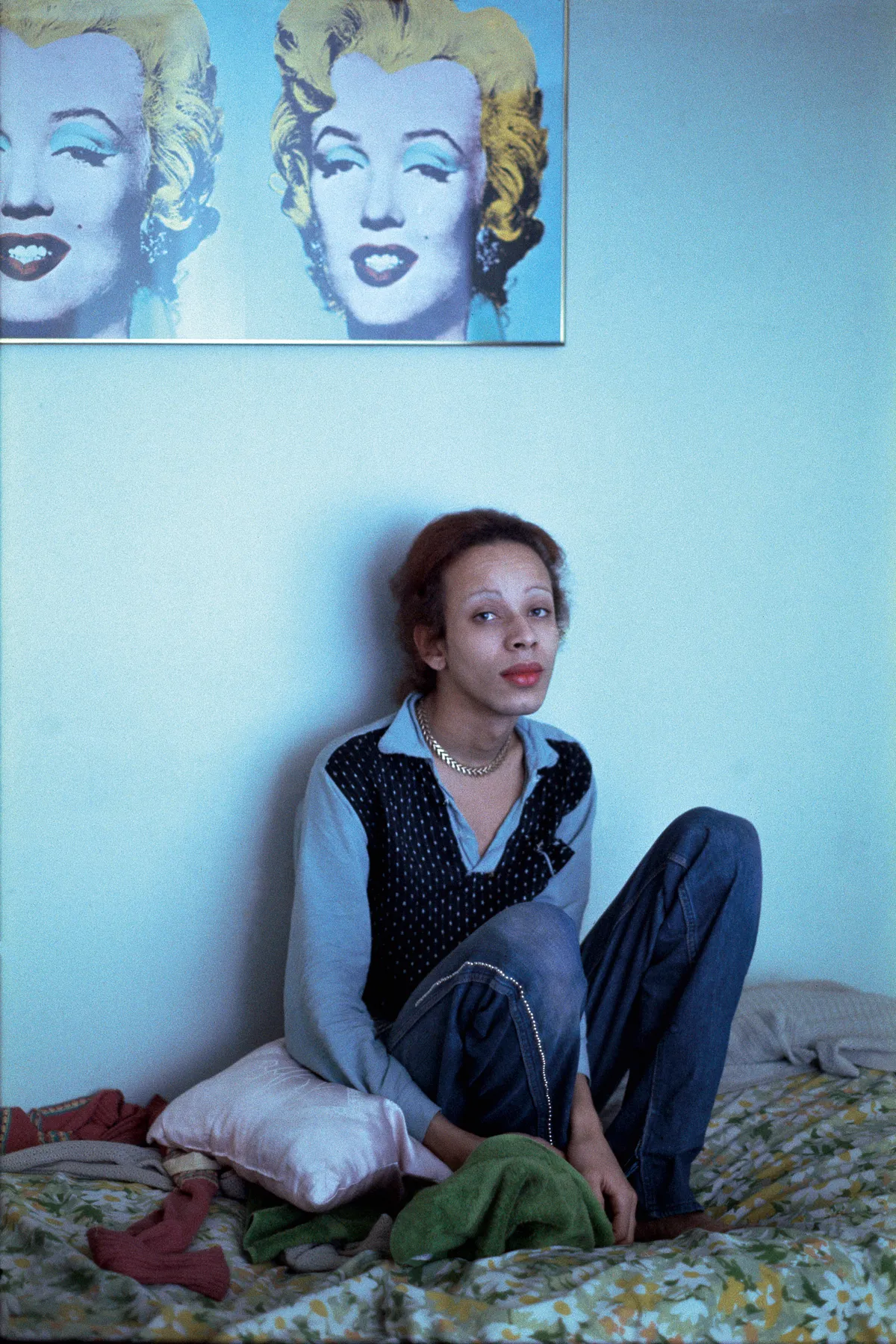
There is a photograph in which everything seems on the verge of breaking. Two bodies close together, direct gazes, the dim light of an ordinary interior. There is no distance, no protection. Nan Goldin wasn’t observing that scene: she was part of it. The same goes for Mark Morrisroe, who in his self-portraits transformed his own existence into visual material, unfiltered, defenseless. In the 1980s, between New York and Boston, photography ceased to be a document and became survival.
Photographing from within
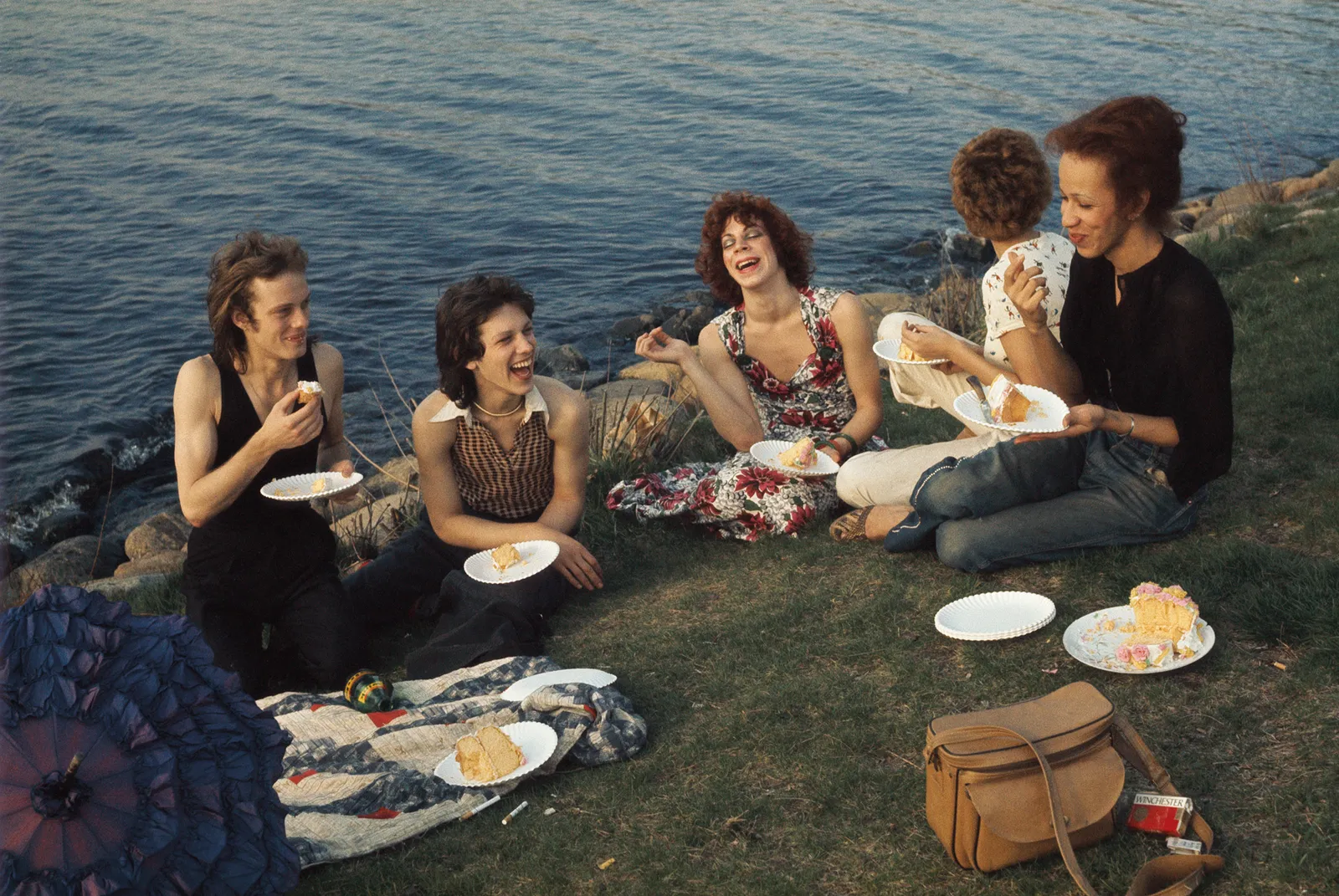
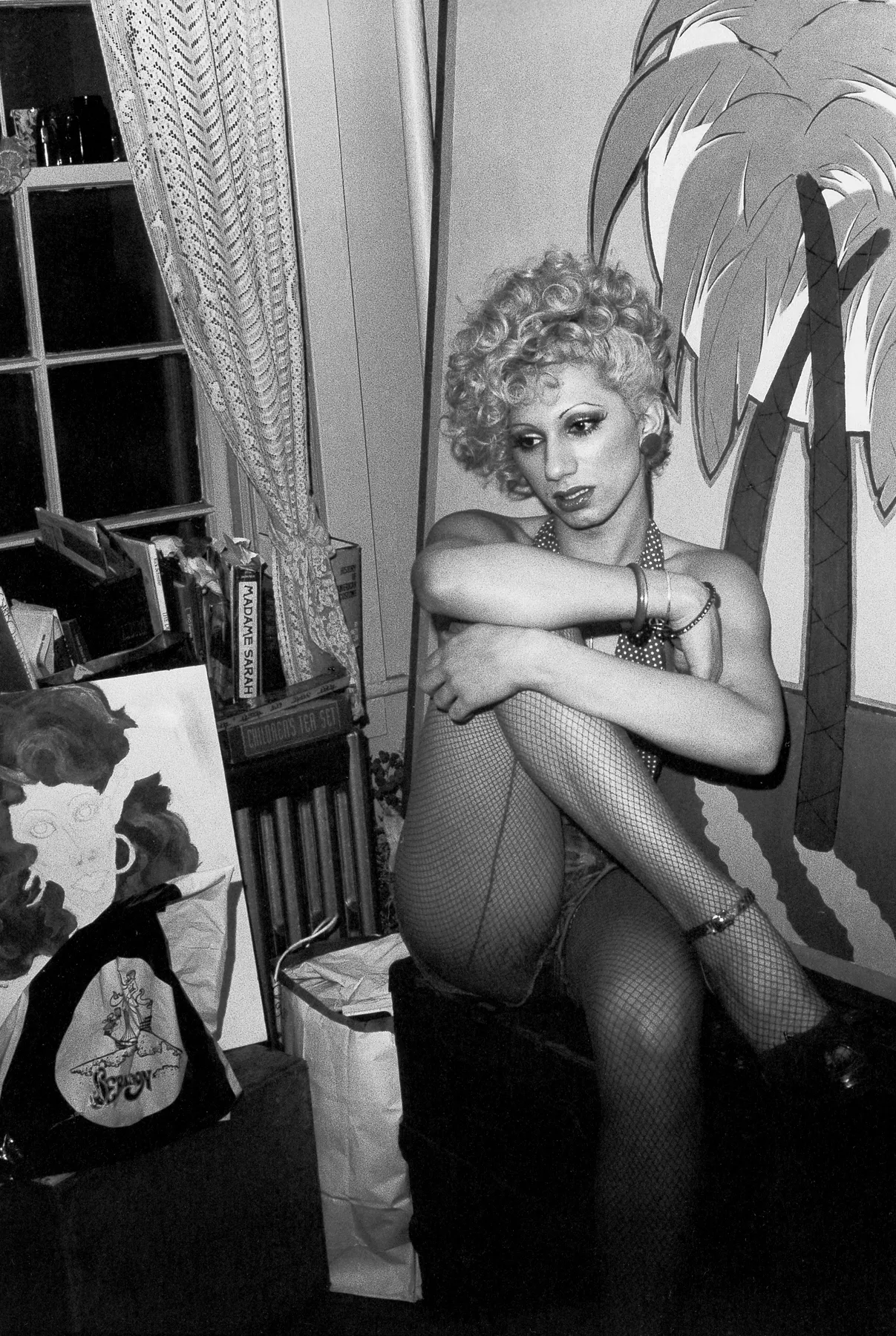
Nan Goldin began building what would become “The Ballad of Sexual Dependency” in the late 1970s. It is not a project in the traditional sense: it is a continuous stream of images that tell the story of her life and that of her community: friends, lovers, drag queens, artists, drug addicts. The photographs are projected in slideshows accompanied by music, updated over time, never truly concluded.
At the center is not an aesthetic, but a relationship. Goldin photographs from within, without the distance that documentary photography had always considered necessary.
Mark Morrisroe operates within the same sphere, but with an even more fragile intensity. Raised in Boston, part of the so-called Boston School alongside Nan Goldin and David Armstrong, he creates a deeply autobiographical body of work, composed of Polaroids, manipulated negatives, and prints marked by manual interventions. His self-portraits are never simply images of himself: they are performances, confessions, attempts to exist through the image.
The AIDS Years, Without Distance
Context is crucial. The 1980s in the United States were marked by the explosion of the AIDS epidemic, which hit the queer and artistic communities of New York and Boston particularly hard. Many of the subjects photographed by Goldin would die within a few years. Morrisroe himself would die in 1989, at the age of thirty, from HIV-related complications.
Viewed today, the images also function as an archive of a decimated community. But reducing them to this would be limiting. They are not photographs of death; they are photographs of life as it happens, with an urgency born precisely from an awareness of its precariousness.
The Body as Language
What distinguishes these works from much of the photography of the era is the artist’s position. There is no outside. There is no neutral observation. Goldin has repeatedly stated that she uses the camera as a tool to maintain relationships, to avoid losing the people she loves. Morrisroe uses the image to construct a version of himself that can exist even beyond his physical presence. In both cases, photography is not representation but an extension of life.
The visual language is also part of this break. The images are often technically imperfect: blurry, underexposed, grainy. Direct flash flattens the space, making the bodies almost tangible. There is no classical composition, no search for the “beautiful image.” This aesthetic arises from necessity, not as a style.
Before Shared Intimacy
For a generation raised amid an overproduction of images, the work of Goldin and Morrisroe resonates in a special way. Today, intimacy is everywhere: shared, mediated, often performed. But precisely for this reason, it rarely involves any real risk.
In the 1980s, exposing oneself meant much more. It meant making visible identities and relationships that society tended to marginalize or erase. It meant, in some cases, exposing oneself to real consequences.
A language that still exists
Goldin and Morrisroe’s images do not ask to be viewed as testimonies of a bygone era, but as the origin of a language we now take for granted.
The idea that private life can be public matter, that the body can be portrayed unfiltered, that vulnerability can be shown: all of this has a precise genealogy. It is no coincidence that their work continues to be cited, exhibited, and reprinted. Not out of nostalgia, but because it addresses a question that remains open: what does it truly mean to reveal oneself?
Goldin and Morrisroe weren’t building an archive. They were living. The images came later, almost as an inevitable consequence. And perhaps this is what makes them so difficult to reduce to a style even today: they weren’t created to be looked at. They were created because, at that moment, there was no other way to stay.


Comments